What Happens When New Mortar Is Harder Than Old Brick?
Fresh mortar can unintentionally damage an older chimney if it’s harder and less permeable than the brick, so chimney services in Dubuque should carefully assess material compatibility.
It’s unsettling to see tidy, solid-looking joints beside bricks that have begun cracking, flaking, or shedding their faces. You paid for the chimney to become stronger, not to watch masonry deteriorate around the repair. The contrast can leave you wondering whether the work helped, harmed, or exposed another problem.
We’ll explain the job mortar is meant to perform, how excess hardness redirects moisture and movement, which damage patterns matter, and what deserves review before anyone repoints your chimney again.
Mortar Wasn’t Meant to Outlast Every Brick
In many older chimneys, the mortar joint was intended to be the more forgiving and replaceable part of the wall. It accommodates slight movement and can allow moisture to leave through joints instead of collecting in brick.
Professionals providing chimney masonry services in Dubuque should consider how materials were built to perform together. Describing compatible mortar as ‘softer’ doesn’t mean it’s weak or defective. It still needs strength, adhesion, durability, and weather resistance for that chimney.
Hard Joints Can Redirect the Damage
Brick and mortar absorb moisture and move as temperatures change. If a replacement joint is unusually dense and rigid, it may release less moisture or flex less readily.
Softer brick can then carry stress the joint once absorbed. During freezing weather, trapped moisture may expand and contribute to spalling, where the brick’s outer face breaks away.
Teams offering chimney services in Dubuque should trace water through the system before naming a cause. Hard mortar can contribute, but surface appearance can’t prove it acted alone.
The Damage Pattern May Preserve the Story
Instead of guessing from one fragment, note where deterioration appears and how it changes.
Look for:
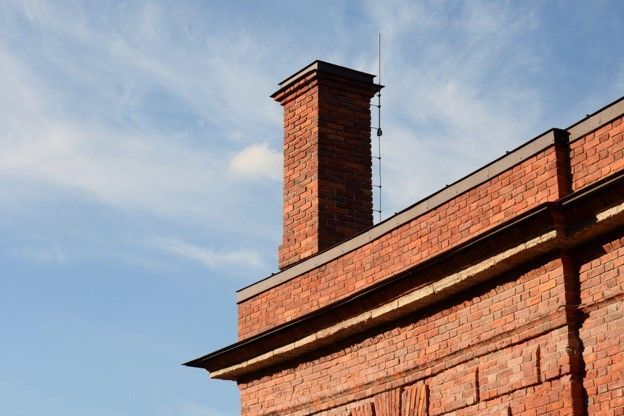
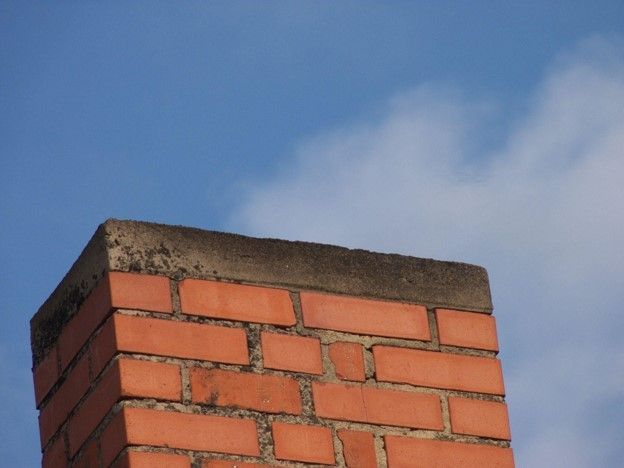
● Brick faces failing beside firm, intact joints
● Damage clustered around newer-looking patches
● Cracks crossing bricks rather than mortar
● White deposits or recurring dampness
● Joints with a different texture or profile
Take dated photographs safely so you can compare the pattern over time. Loose bricks, leaning sections, or falling masonry need prompt professional attention. Don’t climb onto the roof to investigate further.
A Color Match Doesn’t Confirm Compatibility
Fresh mortar may match surrounding joints beautifully yet behave differently. An assessment through chimney masonry services in Dubuque can consider:
● Brick hardness and absorption
● Original mortar characteristics
● Compressive strength and permeability
● Joint depth, width, and profile
● Previous repair materials
● Exposure to rain, snow, and wind
● Crown, cap, flashing, and drainage
No single recipe suits every older chimney. Replacement mortar should respond to existing masonry and its environment, not simply age, a color sample, or wording on a hardware-store bag.
Winter Can Exploit an Existing Mismatch
Above the roofline, a chimney repeatedly faces rain, snow, wind, freezing temperatures, and sudden thaws. If its masonry stays saturated, water can freeze and expand inside small openings, accelerating cracks and surface loss.
Lasting correction may involve stopping water entry, carefully removing unsuitable mortar, replacing bricks that can’t be saved, selecting compatible materials, and allowing proper curing. National Park Service guidance similarly cautions that hard, impermeable mortar can damage softer historic masonry.
Let the Existing Brick Guide the Repair
Heartland Mechanical Contracting is a family-owned Bellevue company founded in 2019, backed by three generations of HVAC experience and two generations of chimney-cleaning knowledge.
We provide inspections, sweeping, masonry repair, and rebuilding across Northeast Iowa, Southwest Wisconsin, and Northwest Illinois, with clear communication and practical recommendations.
If you need chimney services in Dubuque, share your chimney’s approximate age, repointing history, stains, deteriorating areas, and dated photos. We’ll help you understand the next sensible step.
Request an assessment and free quote at
563-564-7496 today.